


 Business License

What Is Stainless Precision Hardware? Grades and Types
A food equipment builder ordered 6,000 stainless pins and bushings in grade 304, installed them on a washdown line, and found brown staining at every joint within four months. The wash water carried 400 ppm of chloride from a sanitising step. Grade 304 handles clean water and does not handle chlorides at 60 C, and the drawing had said 304 because that was the grade on the last project.
Stainless precision hardware fails in a narrow, predictable set of ways, and almost all of them are grade decisions rather than machining decisions. The notes below cover what the category includes, which grade does what, and where the boundary between 304 and 316 actually sits.
1. What Counts as Stainless Precision Hardware
Stainless precision hardware covers small machined parts in stainless steel: pins, bushings, standoffs, spacers, threaded studs, locating dowels, hinge pins and small fittings. The common thread is size and function. These parts locate, retain or guide something, and they usually carry a tolerance rather than a load.
The stainless precision hardware basics are worth stating plainly. The alloy is chosen for corrosion resistance first and machinability second, which is the opposite of the order used for structural parts. A part that will not rust is doing its job even if it costs more per piece than a plated carbon steel equivalent.
Size ranges are small. Most of what we produce sits between 3 mm and 25 mm in diameter and under 150 mm in length, with tolerances from plus or minus 0.01 mm upward. Burr matters as much as dimension, because a 0.05 mm burr on a locating pin stops the pin entering its hole.
At Ningbo Changfeng Mechanical Factory volumes are usually modest. A hardware order is often 500 to 5,000 pieces, which is enough to justify bar-fed turning and too small to justify a cold heading die unless the part is a standard fastener.
2. Grades Behind Stainless Machined Hardware: 303, 304, 316, 17-4
Four grades cover most stainless machined hardware. Grade 303 is the free-machining austenitic, with sulphur added to break the chip. Grade 304 is the general purpose austenitic.
Grade 316 adds molybdenum for chloride resistance. Grade 17-4PH is a precipitation hardening martensitic grade that can be heat treated to high strength.
Grade 303 machines roughly 30 to 40 percent faster than 304 and leaves a better finish off the tool. It pays for itself on any part with a lot of turning. The sulphur addition lowers corrosion resistance slightly and makes the grade unsuitable for welded assemblies, so it belongs on pins, spacers and bushings rather than on anything that gets welded.
Grade 17-4PH is the answer when a part needs hardness. In the H900 condition it reaches about 40 HRC, which is where stainless machined hardware becomes a wear part rather than a locating part. It machines in the annealed condition and then ages, so the process route has to plan for the dimensional change during aging.
The table below sets the four grades against the properties that decide a hardware specification.
| Grade | Machinability | Chloride resistance | Typical stainless hardware |
|---|---|---|---|
| 303 | High | Moderate | Pins, spacers, bushings, studs |
| 304 | Moderate | Moderate | General hardware, indoor fixtures |
| 316 | Moderate to low | High | Washdown, marine, chemical exposure |
| 17-4PH | Moderate | Moderate to high | Wear pins, hardened bushings |
3. 304 vs 316 Hardware: Chloride, Cost and the Real Difference
The 304 vs 316 hardware question comes down to molybdenum. Grade 316 carries 2 to 3 percent molybdenum, which raises its pitting resistance substantially and lifts the chloride threshold well above what 304 tolerates.
In practical terms, 304 is fine for indoor atmospheres, fresh water and most food contact that is rinsed rather than soaked, which is why most 304 vs 316 hardware arguments start with a rinse schedule. Grade 316 belongs anywhere chlorides concentrate: washdown with sanitising chemicals, coastal air, de-icing salt, brine and most pharmaceutical cleaning regimes.
Cost difference at the bar is typically 30 to 60 percent, which translates to roughly 25 to 45 percent on a finished part. That gap is why drawings drift toward 304, and why the drift is expensive when it is wrong.
One detail that decides more cases than the datasheet: temperature. Chloride stress corrosion cracking in austenitic stainless becomes a real risk above roughly 60 C in the presence of chlorides, and 304 is far more susceptible than 316 at that temperature. A part that is fine at 30 C in the same water can crack at 65 C.
4. Stainless Precision Hardware Basics: Size, Tolerance and Burr
Precision in this category is mostly about three things: diameter tolerance, straightness and edge condition. A locating pin at plus or minus 0.01 mm that is bowed by 0.03 mm over its length will not enter a reamed hole, even though every diameter measures correctly.
Straightness comes from the bar and from the turning process. Centreless grinding after turning is the usual route when a pin needs both tolerance and straightness below 0.01 mm, and it adds a step that the original quote may not have included.
Burr is the third. Austenitic stainless work hardens and produces a ductile burr that folds rather than breaks, so a turned edge often carries a rolled-over lip that feels sharp and measures undersize on the diameter. A controlled edge break of 0.1 to 0.2 mm is standard, and specifying it avoids a debate at incoming inspection.
Those three items are the stainless precision hardware basics that decide whether a part assembles. Surface finish is usually secondary on hardware, unless the part is visible or sits in a hygienic zone.
5. Machined Hardware Against Cold Formed Parts
Most small stainless hardware can be made two ways: machined from bar or cold formed from wire. The stainless precision hardware basics do not change with the route, but the economics do. Cold forming is faster and cheaper per piece once volume passes roughly 20,000 units, because it moves material instead of removing it.
Machining wins below that volume and on any part with features a header cannot produce: a cross hole, a tight concentricity requirement, a non-standard thread or a bore. A machined stainless part also holds tolerance more predictably on short runs, since there is no tool wear pattern to compensate.
The trade-off shows up in lead time as well. A cold heading die takes four to eight weeks and costs several thousand dollars, while a bar-fed turning program for the same part is ready in days. For a hardware item still under development, that difference usually settles the route.
6. Passivation and What It Does to Stainless Machined Hardware
Passivation removes free iron from the surface and rebuilds the chromium oxide layer that makes stainless stainless. Machining leaves embedded iron from tooling and from handling, and those particles rust first, which is why a part can show spots while the base metal is perfectly sound.
The standard treatment is a citric or nitric acid bath after cleaning, followed by a rinse and dry. Citric passivation is the more common choice for hardware because it is easier to handle and does not attack the surface as aggressively.
Stainless machined hardware that will be used in a hygienic or marine application should be passivated as a separate line item, not assumed as part of deburring. A vibratory finish alone does not remove embedded iron, and a part that looks clean can still fail a ferroxyl test.
Testing at Changfeng Mechanical is quick: a ferroxyl or copper sulphate spot test shows free iron in minutes, and a salt spray check gives a longer-term view. Both are worth specifying on any lot going into a washdown environment.
7. A Washdown Bracket Case: 304 That Should Have Been 316
The food equipment builder described at the top of this page had specified 304 for a bracket that held a sensor in a washdown zone. The sanitising cycle ran at 65 C with a chloride-based agent, and the parts showed pitting at the crevice under the bolt head within four months.
Sectioning confirmed chloride pitting rather than a material defect. The pitting had started in the crevice, which is where chlorides concentrate as water evaporates after a wash cycle, and had progressed through the 2 mm section.
The fix was a grade change to 316 for that bracket and for four adjacent parts that shared the wash zone. Material cost rose about 38 percent on those items, and the failure mode stopped. The parts that stayed on 304 were the ones outside the splash zone, where the same grade has now run for several years without pitting.
The lesson is not that 304 is a bad choice, but that a 304 vs 316 hardware decision belongs to the environment rather than to the previous drawing.
8. Gauging 304 vs 316 Hardware: Sorting Mixed Lots
Once both grades are in a building, mixing them becomes a real risk, because they look identical and weigh almost the same. A mixed lot that reaches assembly produces a corrosion failure months later in the field, at the 316 parts' expense.
The practical defence is a handheld alloy analyser or a chemical spot test on the first piece of every lot, recorded against the lot number. X-ray fluorescence takes seconds and separates 304 from 316 reliably by the molybdenum reading.
A second defence is physical separation at the machine. A shop running both grades on the same bar feeder needs a documented changeover, including bar remnants, because a single 304 remnant left in the magazine can contaminate a 316 run.
At Changfeng Mechanical Factory we segregate stainless bar by grade in labelled racks and record the grade on the job card before the first cut, which turns an invisible risk into a written one.
9. Packing and Contamination Control for Stainless Precision Hardware
Stainless parts pick up contamination after machining, not during it, and this is the part of stainless precision hardware basics that rarely reaches a drawing. Contact with carbon steel, uncoated tooling or a mild steel pallet transfers free iron that rusts in storage and looks like a material failure to the customer.
At Ningbo Changfeng Mechanical, packing rules are simple. Use plastic or stainless contact surfaces, avoid cardboard in humid conditions, and keep parts dry before sealing. For long storage or sea freight, a vapour corrosion inhibitor in the bag extends the clean period from weeks to months.
For stainless precision hardware going into a cleanroom or hygienic application, bag the parts at the machine rather than at packing. Every transfer is a chance to pick up contamination, and the last transfer is usually the one nobody documents.
10. Frequently Asked Questions on Stainless Machined Hardware and Grades
10.1 When is 316 worth the extra cost over 304?
When chlorides concentrate anywhere on the part, or when service temperature sits above roughly 60 C in their presence. Washdown zones with sanitising chemicals, coastal installations, de-icing salt exposure and brine systems all justify 316. The cost premium on finished hardware is typically 25 to 45 percent, so it is worth checking whether the part actually sits in the wet zone or merely near it. On the food equipment job described above, four parts needed 316 and the rest stayed on 304 without a problem, so separating the two groups saved more than switching the whole assembly would have, since a 304 vs 316 hardware decision belongs to the wet zone rather than to the whole build.
10.2 Is 303 acceptable for stainless precision hardware?
Yes for most pins, spacers and bushings that will not be welded. The added sulphur improves machinability by 30 to 40 percent and gives a better as-turned finish, which matters on a part with a long turned length. It slightly reduces corrosion resistance compared with 304, so it belongs in indoor or lightly exposed service rather than in a washdown zone. Grade 303 is a poor choice for parts that will be welded, because the sulphur promotes hot cracking, and where a drawing needs both machinability and better corrosion resistance, 316 in a free-machining variant is the usual compromise.
10.3 How tight a tolerance can stainless machined hardware hold?
On a bar-fed lathe, plus or minus 0.01 mm on a diameter is routine in 303 and achievable in 304 with attention to tool wear. Going below 0.01 mm usually brings in centreless grinding, because austenitic stainless work hardens and a finish pass on a worn insert pushes the diameter rather than cutting it. Straightness is the constraint that surprises buyers: a 100 mm pin held to 0.01 mm on diameter can still be 0.03 mm out of straight, which is enough to stop it entering a reamed hole. Specify straightness separately when it matters.
10.4 Does passivation change part dimensions?
No, at the scale precision hardware cares about. Passivation removes free iron from the surface and rebuilds the oxide layer, taking off less than a micron, so it will not move a diameter by 0.01 mm or close a thread. What it does change is appearance and corrosion behaviour, since it removes the embedded iron that causes rust spots in service, and the one exception is a part that was heavily polished beforehand where cleaning can reveal a surface finish that was previously masked. Passivate before final inspection rather than after, so the part is measured in its delivered condition.
Recently Posted
-
Passivation and Pickling for Stainless Hardware
November 19, 2026A crate of passivated stainless brackets arrived with rust spots in a line down one face. The parts had been through a nitric bath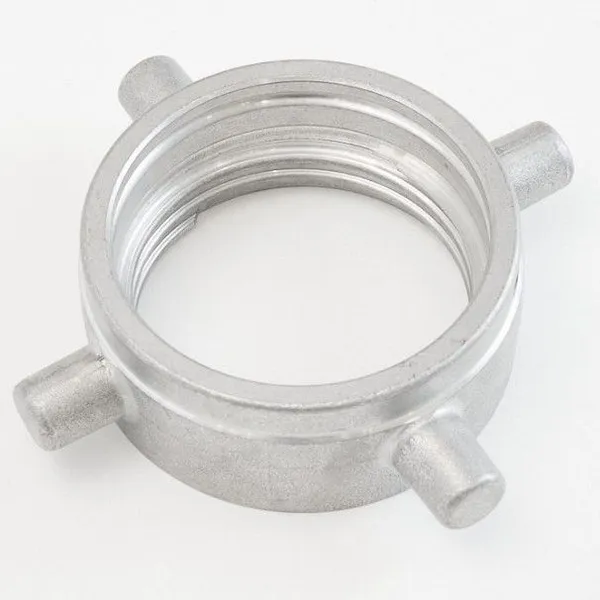 Read More
-
Casting Defects Explained: Shrinkage, Cold Shut and Porosity
November 19, 2026Three castings arrived at a machine shop in the same delivery, and each failed in a different way. One leaked after the flange was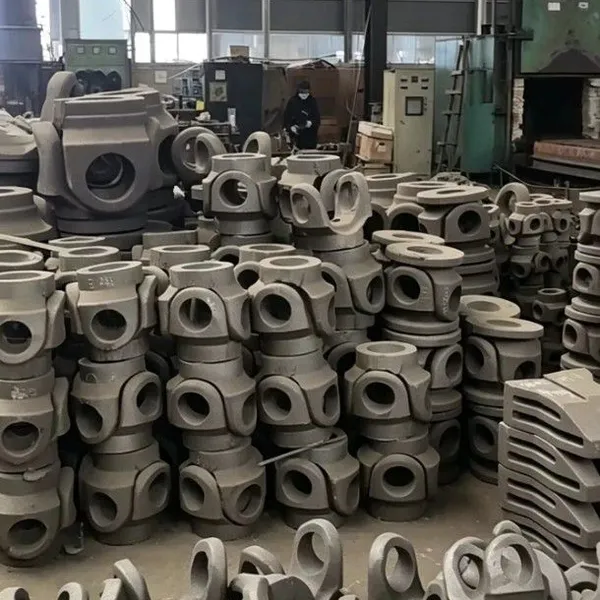 Read More
-
What Are Industrial Castings? Heavy Duty and Precision Classes
November 18, 2026Two castings sat on the same inspection bench: a 900 kg counterweight frame for a press, and a 12 g insert for a pump shaft. Both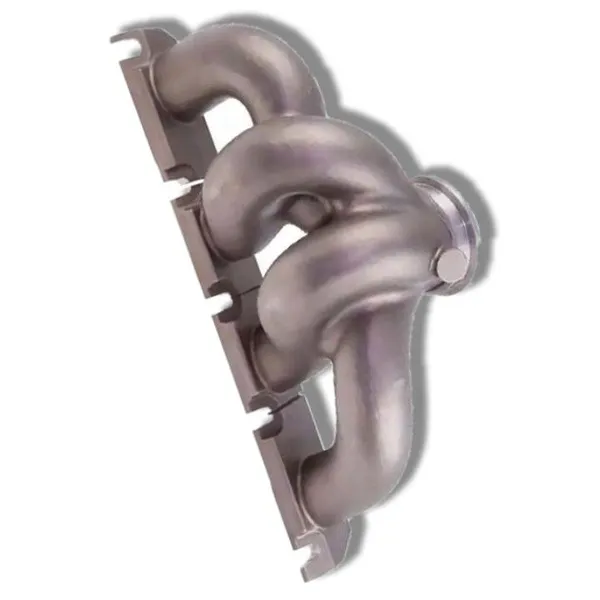 Read More
-
Live Tooling and Turn-Mill: When a Turned Part Needs Milled Features
November 18, 2026A shaft with two wrench flats and four radial holes was made in two operations for years. The lathe turned it, the mill cut the fl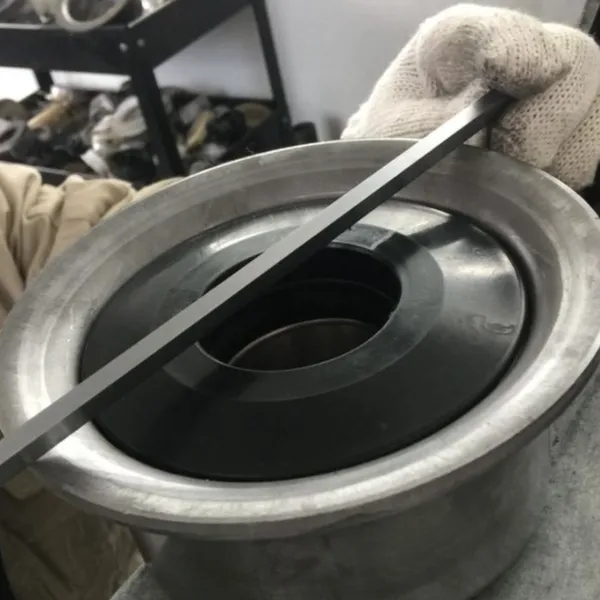 Read More

Contact Us
Recommended Products
-
 Custom CNC Machining for Aluminum and Metal Parts – OEM and ODM SolutionsNegotiableMOQ: 200 Pieces
-
CNC Machining Service for Automotive Brass Fittings With 0.8μm Surface FinishNegotiableMOQ: 500 Pieces
-
CNC Machining Service for Hydraulic System Components in Carbon SteelNegotiableMOQ: 500 Pieces
-
High-Tolerance CNC Milling Parts Titanium/Stainless Steel With Smooth Finish for Aerospace Industry ApplicationsUS$ 14MOQ: 10 Units
-
Compatible CNC Machining Service for CAD Files and Various Material TypesUS$ 12MOQ: 10 Units


-
Durable CNC Aluminum Alloy Milling Parts With Anodized Finish for Electronics and Robotics EnclosuresUS$ 12MOQ: 10 Units
-
CNC Machining Service for Industrial Robotics Aluminum Alloy PartsNegotiableMOQ: 500 Pieces
-
Professional CNC Machining Services for Aluminum, Steel, and Plastic Components With Custom SizesNegotiableMOQ: 10 Units
-
Small-Scale CNC Machining Precision Metal Parts With Tight Tolerances for RoboticsUS$ 12MOQ: 10 Units
-
5-Axis CNC Milling and Turning Services for Rapid Prototyping of Metal and Alloy PartsNegotiableMOQ: 200 Pieces


-
CNC Machining Precision Metal Parts With Fast Delivery for Prototyping and ProductionUS$ 12MOQ: 10 Units
-
Medical Grade CNC Machining Precision Metal Parts for Surgical DevicesUS$ 14MOQ: 10 Units
-
Custom CNC Machining Precision Metal Parts in Multiple Sizes and MaterialsUS$ 14MOQ: 10 Units
-
CNC Machining Service for Automotive Applications: Engine Parts and Mounting BracketsUS$ 12MOQ: 10 Units
-
Hot Selling CNC Milling Turning Customized Metal CNC Machining Services Non-standard Parts Turning Milling Composite ProcessingUS$ 10MOQ: 10 Units


-
High Grade Wholesale CNC Machining Precision Metal Parts Oem Odm Customized Aluminum Alloy Milling PartsUS$ 11MOQ: 10 Units
-
CNC Milling Parts Stainless Steel/Aluminum Alloy Compatible With CNC Machines for High-Accuracy Industrial FabricationUS$ 14MOQ: 10 Units
-
Precision CNC Milling Parts Aluminum/Steel/Brass in Various Sizes for Industrial Applications & Machinery FabricationUS$ 14MOQ: 10 Units
-
Lightweight CNC Aluminum Alloy Milling Parts Optimized for Energy-Efficient Machinery and EquipmentUS$ 12MOQ: 10 Units
-
Factory Direct Sale OEM Precision Casting Forging Service CustomizedNegotiableMOQ: 10 Pieces


